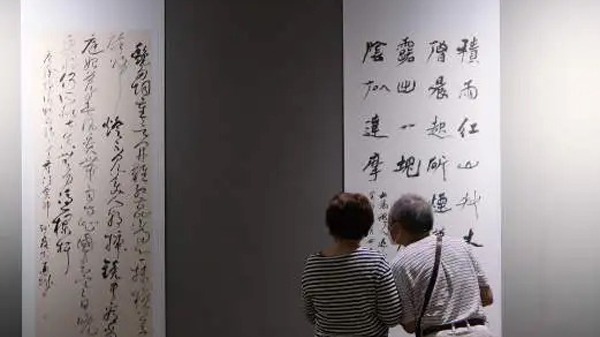
Running Script
Introduction
Running script, known as "xingshu" in Chinese, is one of the primary forms of Chinese calligraphy. It serves as an intermediary style between the more formal regular script (kaishu) and the spontaneous cursive script (caoshu).
Renowned for its elegance and fluidity, running script has been a vital component of Chinese cultural heritage, allowing for personal expression while maintaining a comprehensible form. It embraces a balance between readability and artistic expression, making it one of the most popular and enduring styles used by calligraphers throughout history.
Historical Background
The development of running script can be traced back to the Eastern Han Dynasty (25-220 AD), but it reached its peak during the Jin Dynasty (265-420 AD). Wang Xizhi, a famous calligrapher of that era, is often credited with perfecting this style. His masterpiece, "Preface to the Poems Composed at the Orchid Pavilion" (Lanting Xu), is celebrated as one of the finest examples of running script, showcasing a harmonious balance of form and spirit.
Characteristics of Running Script
Running script blends the precision of regular script with the fluidity of cursive script, allowing for a smoother and more dynamic execution. It is characterized by rounded, flowing strokes that link characters in a continuous manner. Unlike regular script, which demands strict adherence to structure and spacing, running script permits a more informal and expressive approach. However, it still retains enough regularity to ensure legibility, making it suitable for both artistic and practical purposes.
Calligraphers and Running Script
Several calligraphers have contributed to the evolution and popularization of running script. Celebrated calligrapher Yan Zhenqing (AD 709-784) was one of them.
Yu Youren, a prominent figure in 20th-century Chinese calligraphy, is also renowned for his mastery of running script. His works embody scholarly elegance and simplicity, reflecting his deep engagement with Chinese classic literature and calligraphic inscriptions.
Running Script in Modern Times
In contemporary times, running script continues to be a significant artistic and cultural practice. It is taught in schools and pursued by both professional calligraphers and enthusiasts. Exhibitions, workshops, and cultural events dedicated to calligraphy often feature running script, highlighting its continuing relevance and appeal. Moreover, modern artists and designers, like Grace Chen, have drawn inspiration from running script, integrating its aesthetic qualities into fashion and visual art, thereby bridging traditional art forms with contemporary expression.








